Tus Nua

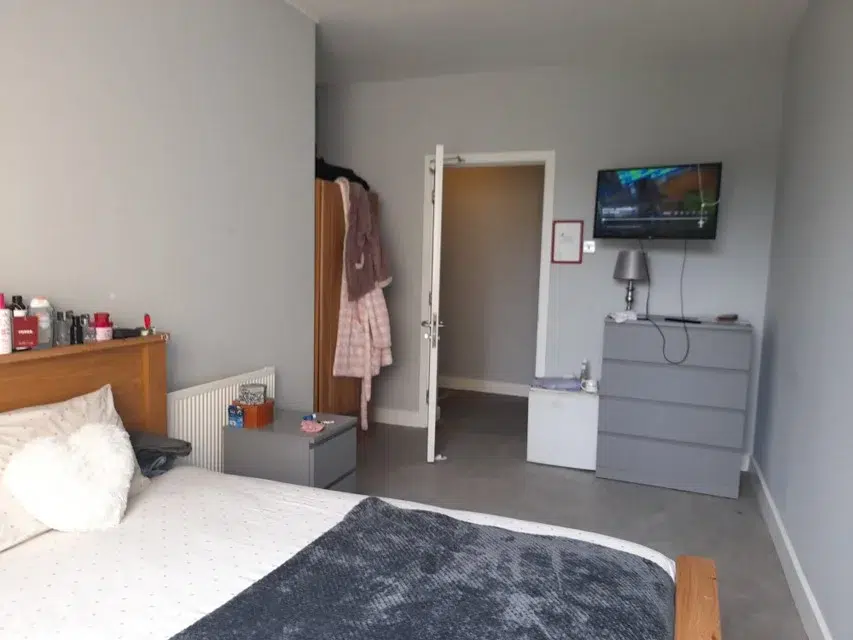
Tus Nua is a facility located in Dublin 11, a suburban district on the outskirts of Dublin, Ireland. It was established in 2014 by Depaul Ireland, an NGO primarily dedicated to homelessness services, and is co-funded by the Irish Government and the European Social Fund. Tus Nua offers housing and reintegration support to women transitioning from prison to independent living, especially those at risk of homelessness. The facility works in close partnership with Dóchas Prison, the Irish Probation Service, and local organizations like Saol. Its approach is grounded in harm reduction and relational security, with an emphasis on residents’ autonomy and individualized care plans.
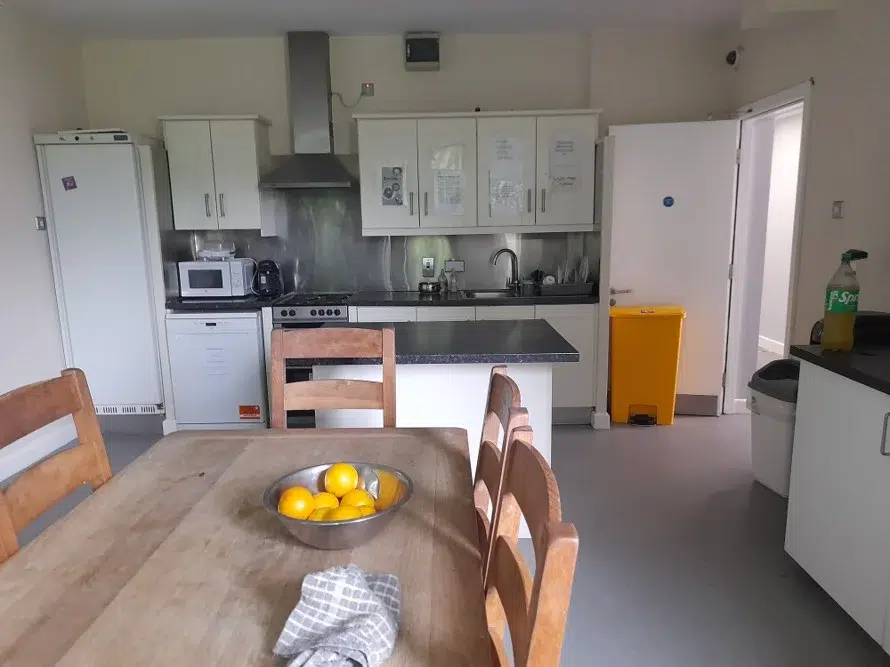
SMALL-SCALE

Tus Nua has a maximum capacity of 15 residents, typically operating slightly below that number. Residents are divided between two houses based on support needs: one for women requiring higher support, located in the same building as the staff office, and one for women who need less support.

SMALL-scale

Tus Nua has a maximum capacity of 15 residents, typically operating slightly below that number. Residents are divided between two houses based on support needs: one for women requiring higher support, located in the same building as the staff office, and one for women who need less support.

Tus Nua is a:

Transition house (individuals under specific conditions or measures)

for:

15 PEOPLE,
Women

Indicated principles:

Community-integrated, Differentiated, Small-scale

Tus Nua is a:

Transition house (individuals under specific conditions or measures)

for:

15 PEOPLE,
Women

Indicated principles:

Community-integrated, Differentiated, Small-scale

Tus Nua is a:

Transition house (individuals under specific conditions or measures)

for:

15 PEOPLE,
Women

Indicated principles:

Community-integrated, Differentiated, Small-scale

DIFFERENTIATION

Tus Nua accommodates adult women (including trans women) who are nearing the end of their sentence or transitioning out of incarceration, including those granted temporary or conditional release, often due to prison overcrowding. The facility prioritizes individuals at risk of homelessness upon release.

Tus Nua does not enforce a strict daily schedule, and activities are shaped in collaboration between residents and their keyworkers. Morning check-in meetings are strongly encouraged and used to discuss plans and coping strategies. Residents frequently participate in external programs, including Organization Saol (for addiction support), Dublin City education and training courses (like gardening and computer classes), and healthcare appointments such as methadone treatment.

COMMUNITY-INTEGRATION

The facility maintains close ties with the local community, despite the slightly separated campus, with no reported NIMBY resistance. Residents access public services, education, and healthcare like any other citizen in the community. The facility partners with local organizations such as Saol and community drug teams to provide addiction recovery support, and also works with women’s aid groups to address the needs of residents who have experienced domestic violence. Women are actively encouraged to engage in community life through volunteering, participating in university courses, and other local programs to build local connections and strengthen their independence.

Differentiation

Tus Nua accommodates adult women (including trans women) who are nearing the end of their sentence or transitioning out of incarceration, including those granted temporary or conditional release, often due to prison overcrowding. The facility prioritizes individuals at risk of homelessness upon release.

Tus Nua does not enforce a strict daily schedule, and activities are shaped in collaboration between residents and their keyworkers. Morning check-in meetings are strongly encouraged and used to discuss plans and coping strategies. Residents frequently participate in external programs, including Organization Saol (for addiction support), Dublin City education and training courses (like gardening and computer classes), and healthcare appointments such as methadone treatment.

Community-integration

The facility maintains close ties with the local community, despite the slightly separated campus, with no reported NIMBY resistance. Residents access public services, education, and healthcare like any other citizen in the community. The facility partners with local organizations such as Saol and community drug teams to provide addiction recovery support, and also works with women’s aid groups to address the needs of residents who have experienced domestic violence. Women are actively encouraged to engage in community life through volunteering, participating in university courses, and other local programs to build local connections and strengthen their independence.

Depaul Ireland

Report Tus Nua

Report still under review

Interviewed by RESCALED (24/06/2025)

Depaul Ireland

Report Tus Nua

Report still under review

Visit

Interviewed by RESCALED (24/06/2025)

Depaul Ireland

Report Tus Nua

Report still under review