Vollzugszentrum Klosterfiechten

Vollzugszentrum Klosterfiechten (VZK) is a correctional and therapeutic facility located near Reinach in the Canton of Basel-Stadt, Switzerland. Founded in 1987, the facility operates as part of the Justiz- und Sicherheitsdepartement Basel-Stadt JSD BS (Justice and Security department) and combines custodial enforcement with specialised forensic therapeutic support. The facility follows the ROS concept, introduced in 2018 in the German-speaking part of Switzerland, which structures reintegration through clear goals, regular evaluation, and a balance of care and security. VZK’s mission is to promote everyday skills, personal responsibility, and social reintegration for residents in a supportive and open environment.

SMALL-SCALE

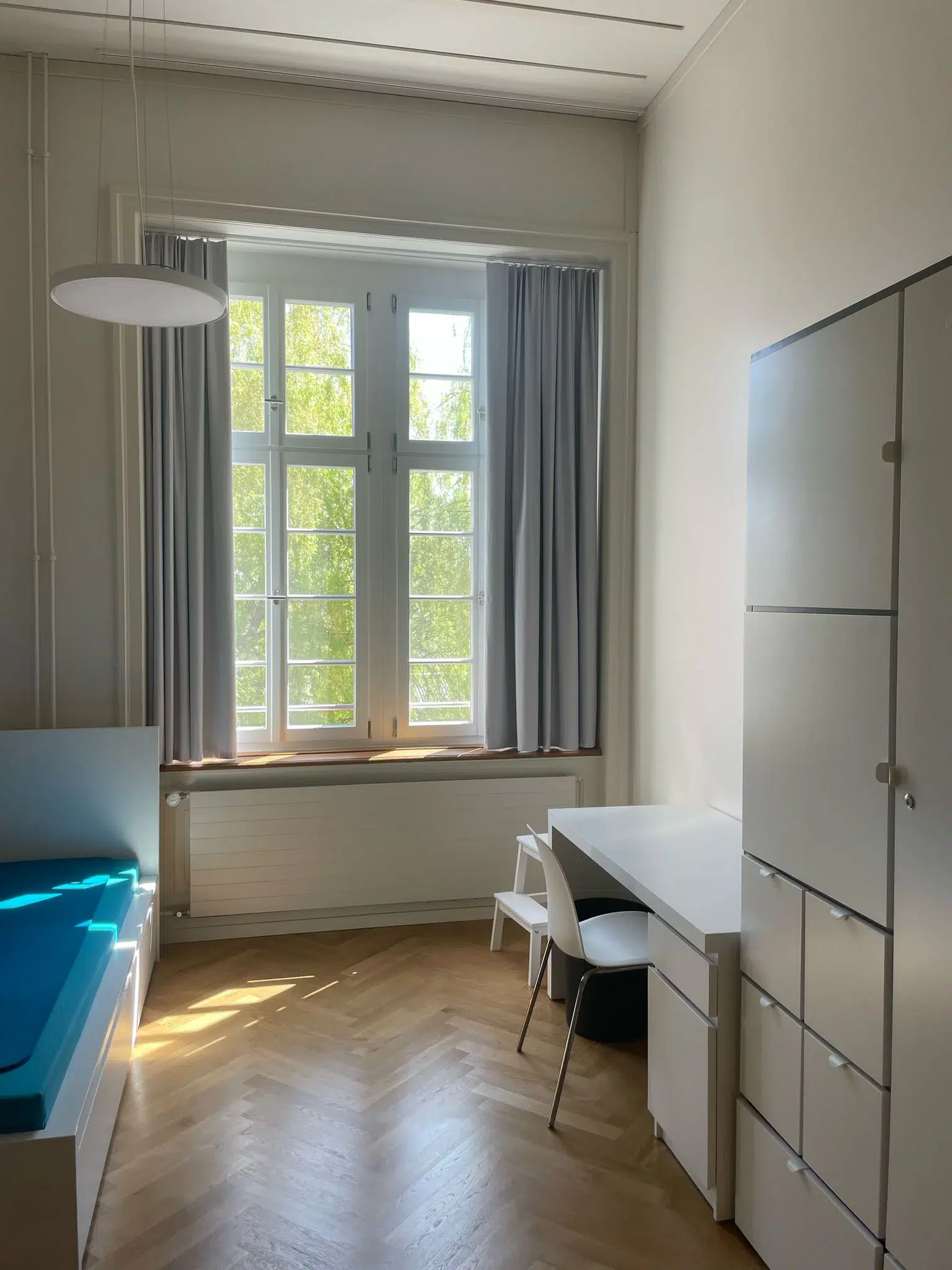
Vollzugszentrum Klosterfiechten accommodates a total of twenty-five residents. Fourteen places are reserved for individuals under court-ordered therapeutic measures, while eleven places are for residents serving sentences. The facility can host a maximum of four women. Its small scale allows for close supervision and individualised follow-up. The facility comprises six apartments, each housing three to four residents. Every apartment includes bedrooms, a shared living room, a kitchen, and a communal bathroom. Overall, the facility offers 17 single bedrooms, generally preferred for residents under therapeutic measures, and four double bedrooms for residents in semi-detention. A dedicated eight-person apartment is reserved for female residents.

SMALL-scale

Vollzugszentrum Klosterfiechten accommodates a total of twenty-five residents. Fourteen places are reserved for individuals under court-ordered therapeutic measures, while eleven places are for residents serving sentences. The facility can host a maximum of four women. Its small scale allows for close supervision and individualised follow-up. The facility comprises six apartments, each housing three to four residents. Every apartment includes bedrooms, a shared living room, a kitchen, and a communal bathroom. Overall, the facility offers 17 single bedrooms, generally preferred for residents under therapeutic measures, and four double bedrooms for residents in semi-detention. A dedicated eight-person apartment is reserved for female residents.

Vollzugszentrum Klosterfiechten is a:

Open detention facility

for:

25 PEOPLE,
Mixed-gender

Indicated principles:

Community-integrated, Differentiated, Small-scale

Vollzugszentrum Klosterfiechten is a:

Open detention facility

for:

25 PEOPLE,
Mixed-gender

Indicated principles:

Community-integrated, Differentiated, Small-scale

Vollzugszentrum Klosterfiechten is a:

Open detention facility

for:

25 PEOPLE,
Mixed-gender

Indicated principles:

Community-integrated, Differentiated, Small-scale

DIFFERENTIATION

Residents at VZK fall into three main categories. First, individuals placed under open inpatient enforcement procedures receive specialised therapeutic support tailored to their mental health needs and resocialisation goals. Second, some residents participate in external work arrangements. These placements provide meaningful work experience and promote structure, responsibility, and social integration, while residents remain under the supervision and support of the facility. Finally, other residents are placed under semi-detention (Halbgefangenschaft, HG), the primary aim of which is to prevent the harmful effects of imprisonment. This regime allows individuals to work or study outside the facility while spending nights and free time at VZK. Movement and leave for all residents are gradually expanded in line with individual reintegration plans. This process begins with short periods within the facility grounds, progresses to limited external activities, and may eventually allow for longer periods outside, depending on each resident’s progress.

COMMUNITY-INTEGRATION

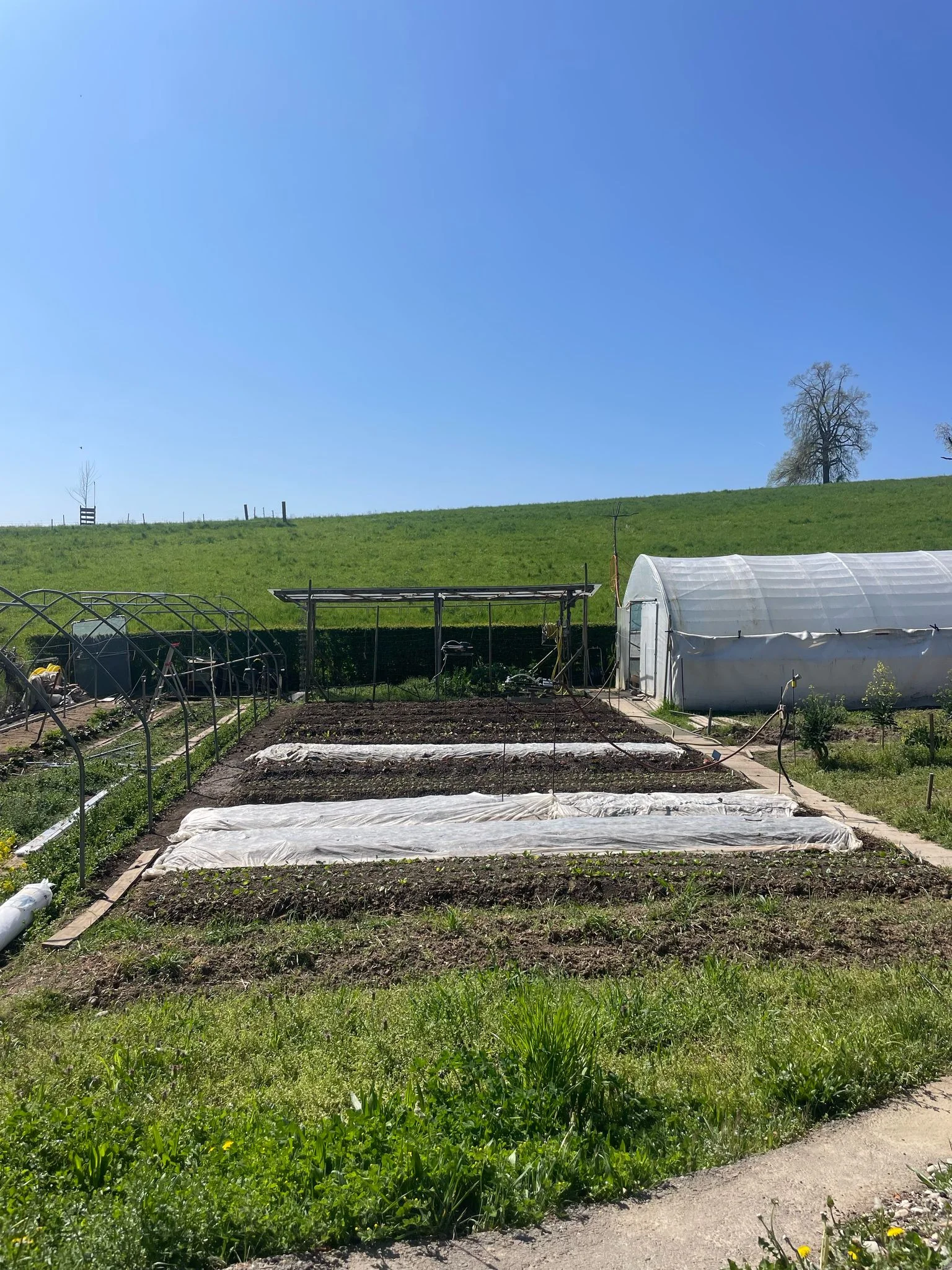
The facility emphasises gradual reintegration into the community through employment, therapy, and everyday activities. As residents advance, they undertake shopping, medical appointments, and other daily tasks outside the facility with increasing independence. The surrounding environment is calm and semi-rural, supporting a therapeutic atmosphere and unobtrusive community contact. Relations with neighbours are positive and discreet. There has been no notable public opposition, in part because the resident profile is not widely known. The facility’s open character promotes day-to-day contact without drawing attention, and cooperation with nearby residents includes shared use of amenities such as an outdoor swimming pool.

Differentiation

Residents at VZK fall into three main categories. First, individuals placed under open inpatient enforcement procedures receive specialised therapeutic support tailored to their mental health needs and resocialisation goals. Second, some residents participate in external work arrangements. These placements provide meaningful work experience and promote structure, responsibility, and social integration, while residents remain under the supervision and support of the facility. Finally, other residents are placed under semi-detention (Halbgefangenschaft, HG), the primary aim of which is to prevent the harmful effects of imprisonment. This regime allows individuals to work or study outside the facility while spending nights and free time at VZK. Movement and leave for all residents are gradually expanded in line with individual reintegration plans. This process begins with short periods within the facility grounds, progresses to limited external activities, and may eventually allow for longer periods outside, depending on each resident’s progress.

Community-integration

The facility emphasises gradual reintegration into the community through employment, therapy, and everyday activities. As residents advance, they undertake shopping, medical appointments, and other daily tasks outside the facility with increasing independence. The surrounding environment is calm and semi-rural, supporting a therapeutic atmosphere and unobtrusive community contact. Relations with neighbours are positive and discreet. There has been no notable public opposition, in part because the resident profile is not widely known. The facility’s open character promotes day-to-day contact without drawing attention, and cooperation with nearby residents includes shared use of amenities such as an outdoor swimming pool.

the Justice and Security department of Basel-Stadt

Visited by RESCALED (11/04/2025)

the Justice and Security department of Basel-Stadt

Visit

Visited by RESCALED (11/04/2025)